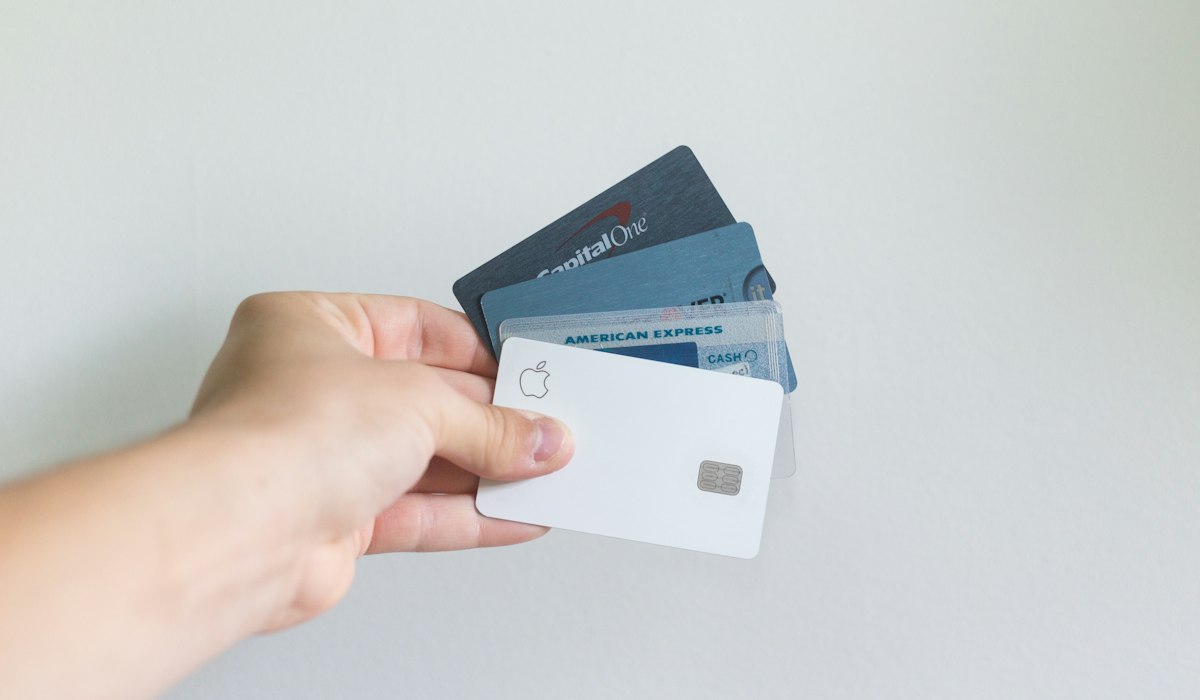


Whether consolidating high-interest credit card balances, financing unexpected home repairs, or funding major medical expenses, personal loans have become one of the most popular borrowing mechanisms in modern retail finance.
Unlike mortgages or auto loans that are tied to specific physical collateral, most personal loans are unsecured installment loans. Understanding how personal loans are structured, what fees accompany them, and when they make economic sense can prevent you from worsening an already strained financial situation.
How a Personal Loan is Structured
When you are approved for a personal loan, the lender disburses the agreed-upon capital in a single lump-sum transfer to your bank account. You then repay that balance in equal monthly installments across a fixed term—typically ranging from two to seven years.
Key Anatomical Components
- Principal: The initial borrowing amount.
- Fixed Interest Rate: Most personal loans feature fixed interest rates, meaning your monthly installment remains identical throughout the life of the loan.
- Loan Term: The amortization timeline (e.g., 36 months, 60 months).
- Collateral (Secured vs. Unsecured): Most personal loans are unsecured, meaning the lender relies on your credit score and verified income. Secured personal loans require pledging collateral (such as a savings certificate or vehicle title), which lowers the interest rate but risks asset seizure if you default.
Unmasking the True Cost: Origination Fees and APR
When evaluating loan offers, never compare nominal interest rates alone; compare the Annual Percentage Rate (APR). The APR reflects the full annualized cost of borrowing, incorporating upfront fees.
The most common fee associated with personal loans is the Origination Fee:
- Lenders frequently charge an origination fee ranging from 1% to 8% of the total borrowing amount to cover application processing and underwriting.
- How It Is Deducted: If you borrow $10,000 with a 5% origination fee, the lender does not hand you $10,000. They deduct $500 upfront and deposit $9,500 into your account. However, you are still legally obligated to pay interest on the full $10,000 principal!
Always check whether personal loan offers carry prepayment penalties. Quality lenders permit borrowers to pay off loan balances early with zero penalty.
When Does a Personal Loan Make Financial Sense?
A personal loan is not free money; it is debt that must be repaid with interest. However, in specific scenarios, it serves as an effective strategic tool:
1. High-Interest Debt Consolidation
If you carry $15,000 in revolving credit card debt across multiple cards at an average interest rate of 24% APR, taking out a personal loan at 10% APR to wipe out those card balances can save thousands in interest and establish a clear payoff end date.
2. Urgent, Non-Negotiable Medical or Home Repairs
When emergency cash reserves are insufficient to handle a critical roof leak or medical emergency, a personal loan offers significantly lower interest rates than carrying an ongoing balance on a high-APR credit card or using payday loans.
When to Avoid Personal Loans
- Funding Discretionary Lifestyle Luxuries: Using a personal loan to pay for an extravagant destination wedding, a luxury vacation, or a high-end designer wardrobe is a guaranteed recipe for long-term financial distress.
- The “Consolidation Reloading” Trap: Consolidating credit cards with a personal loan is useless if you do not fix the underlying spending behaviors that caused the debt. Many borrowers pay off their cards with a personal loan, only to run the credit cards back up to their limits, doubling their total debt burden.
Frequently Asked Questions
What is a personal loan origination fee?
An origination fee is an upfront administrative charge (typically 1% to 8%) deducted directly from your loan proceeds. If you borrow $10,000 with a 5% fee, you receive $9,500 cash, but you pay interest on the full $10,000.
Does consolidating credit cards with a personal loan hurt your credit score?
Initially, applying triggers a minor hard inquiry dip (3–5 points). However, paying off revolving card balances drastically reduces credit utilization, which typically causes your credit score to jump significantly within 60 days.
What is a prepayment penalty on a loan?
A prepayment penalty is a fee charged by certain lenders if you pay off your loan balance early. Always choose personal loan lenders that explicitly guarantee zero prepayment penalties.

Shivam
Shivam focuses on stock market mechanics, banking infrastructure, consumer credit, corporate finance, and global macroeconomic developments. He combines analytical rigor with journalistic clarity to unpack monetary policy, loan structures, market cycles, and business fundamentals for both new investors and seasoned market watchers.
View all articles by Shivam →