

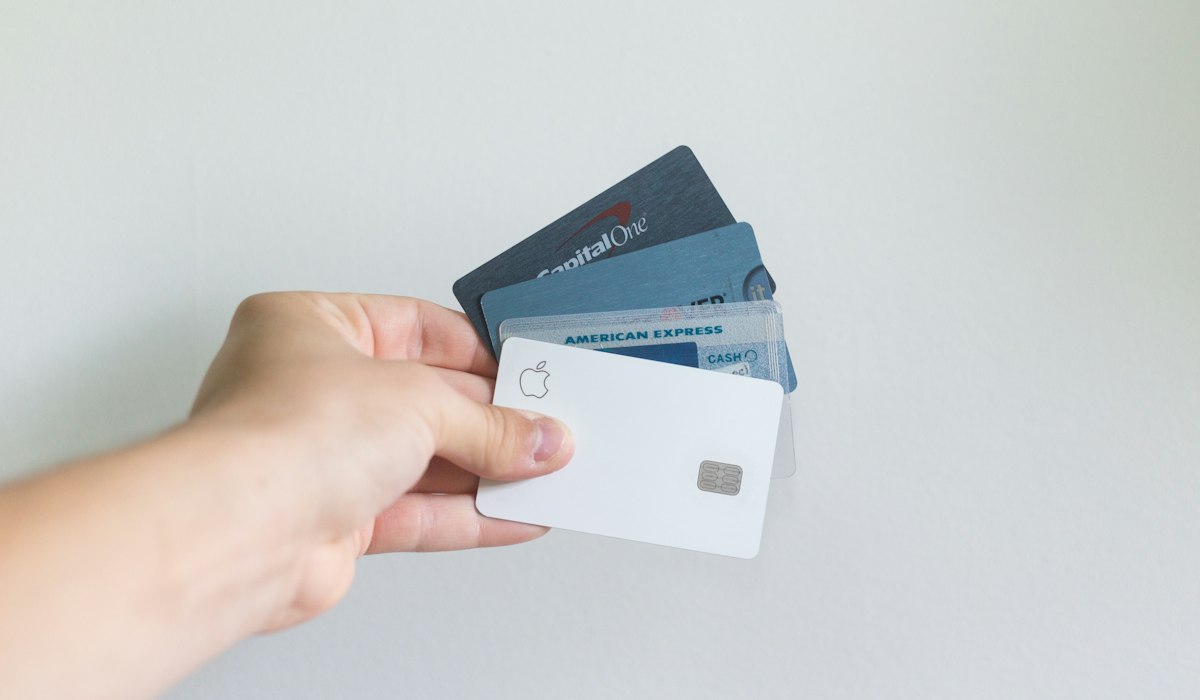
Credit card issuers do not make billions of dollars each year because of annual card fees. The primary engine of the credit card business model is revolving consumer interest. With average credit card APRs hovering between 20% and 29%+, credit card debt represents some of the most expensive and toxic legal borrowing in modern society.
Understanding the underlying mathematics of how credit card interest is calculated—and how the “grace period” operates—is your greatest defense against falling into a compounding debt trap.
The Illusion of the Minimum Payment
When your monthly credit card statement arrives, it highlights two distinct numbers:
- The Statement Balance (e.g., $5,000)
- The Minimum Payment Due (e.g., $110)
For a cash-strapped cardholder, paying $110 feels vastly more manageable than paying $5,000. However, minimum payment formulas are mathematically designed by banks to maximize their interest collections while keeping you indebted for decades.
Minimum payments typically cover only the accrued monthly interest plus a tiny 1% of the outstanding principal balance.
The Minimum Payment Math Breakdown
If you carry a $5,000 balance at a 24% APR and faithfully pay only the required minimum monthly payment:
- It will take over 22 years to fully extinguish the balance.
- You will pay over $8,200 in interest alone, on top of the original $5,000 purchase!
- That $1,000 designer television you purchased on credit will ultimately cost you over $2,600.
How Daily Periodic Rates and Compounding Work
Credit card interest is not calculated once a month. It compounds daily.
To calculate how much interest you accrue every single day, the bank divides your annual percentage rate (APR) by 365 days to determine your Daily Periodic Rate (DPR):
Daily Periodic Rate (DPR) = (APR / 365)For a card with a 24% APR:
DPR = (0.24 / 365) = 0.0006575 (or 0.06575% per day)Each day, the bank multiplies this DPR by your Average Daily Balance, adds that interest to your balance, and recalculates the next day’s interest on the newly enlarged total. You are literally paying interest on yesterday’s interest.
The Grace Period: The Secret to Paying 0% Interest
There is one critical exception to credit card interest: The Grace Period.
By law, credit card issuers must provide a grace period—typically 21 to 25 days between your statement closing date and your payment due date.
If you pay your entire Statement Balance in full on or before the due date, the bank waives all accrued interest charges for that billing cycle. You effectively receive an interest-free short-term loan for up to thirty days.
Losing the Grace Period
The moment you leave even $1.00 of your statement balance unpaid past the due date:
- You lose your grace period entirely.
- Interest immediately begins accruing on all outstanding balances and on every new purchase from the exact second it is swiped.
- To restore your grace period, most banks require paying your statement balance in full for two consecutive billing cycles.
Three Non-Negotiable Rules for Credit Card Users
- Treat Your Credit Card Like Cash: Never charge an item unless the actual cash to pay for it is already sitting safely in your bank checking account.
- Enable Auto-Pay for the Full Statement Balance: Configure your banking portal to automatically pull the full statement balance every single month.
- Never Use Credit Cards for Cash Advances: Cash advances from an ATM carry immediate fees (3% to 5%), higher interest rates (often 29%+), and zero grace periods—interest begins compounding the second the bills leave the dispenser.
Frequently Asked Questions
How does the credit card grace period work?
If you pay your full Statement Balance on or before the monthly due date, the credit card issuer waives all interest charges for that billing cycle. You effectively receive an interest-free loan for up to 25 to 30 days.
What happens if I only pay the minimum payment on my credit card?
Minimum payments cover only accrued interest plus roughly 1% of principal. Paying only the minimum on a $5,000 balance at 24% APR will take over 22 years to clear and cost over $8,200 in interest alone.
How is Daily Periodic Rate (DPR) calculated?
The credit card issuer divides your annual percentage rate (APR) by 365 days. That rate is multiplied by your average daily balance every single day, causing interest to compound daily.

Shivam
Shivam focuses on stock market mechanics, banking infrastructure, consumer credit, corporate finance, and global macroeconomic developments. He combines analytical rigor with journalistic clarity to unpack monetary policy, loan structures, market cycles, and business fundamentals for both new investors and seasoned market watchers.
View all articles by Shivam →